 Clinical Decision Support
 ICU & Emergency Care
 AI-Powered Analytics
ClinAssist is an explainable AI clinical decision support system for ICUs and emergency departments. It tells you the risk score — and exactly why. Every feature, every weighting, visible in real time. No black boxes. Ever.
Clinical Decision Support
ICU & Emergency Care
AI-Powered Analytics
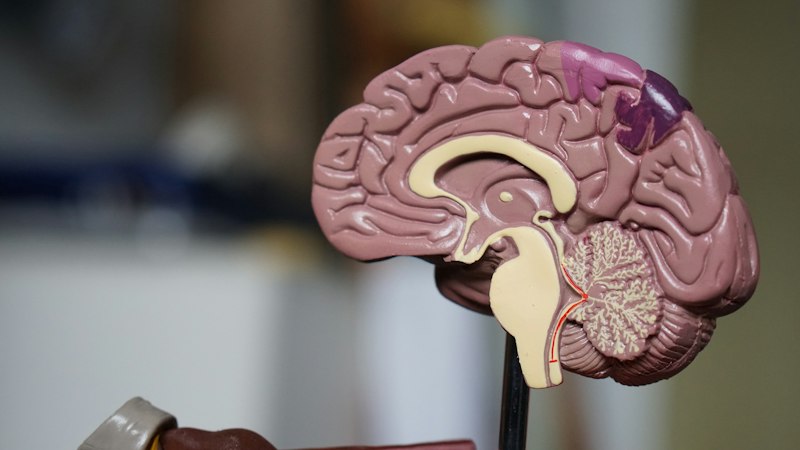
Powerful ML models exist — but clinicians won't use what they can't interrogate. We're solving the last-mile trust gap in clinical AI.
Explore →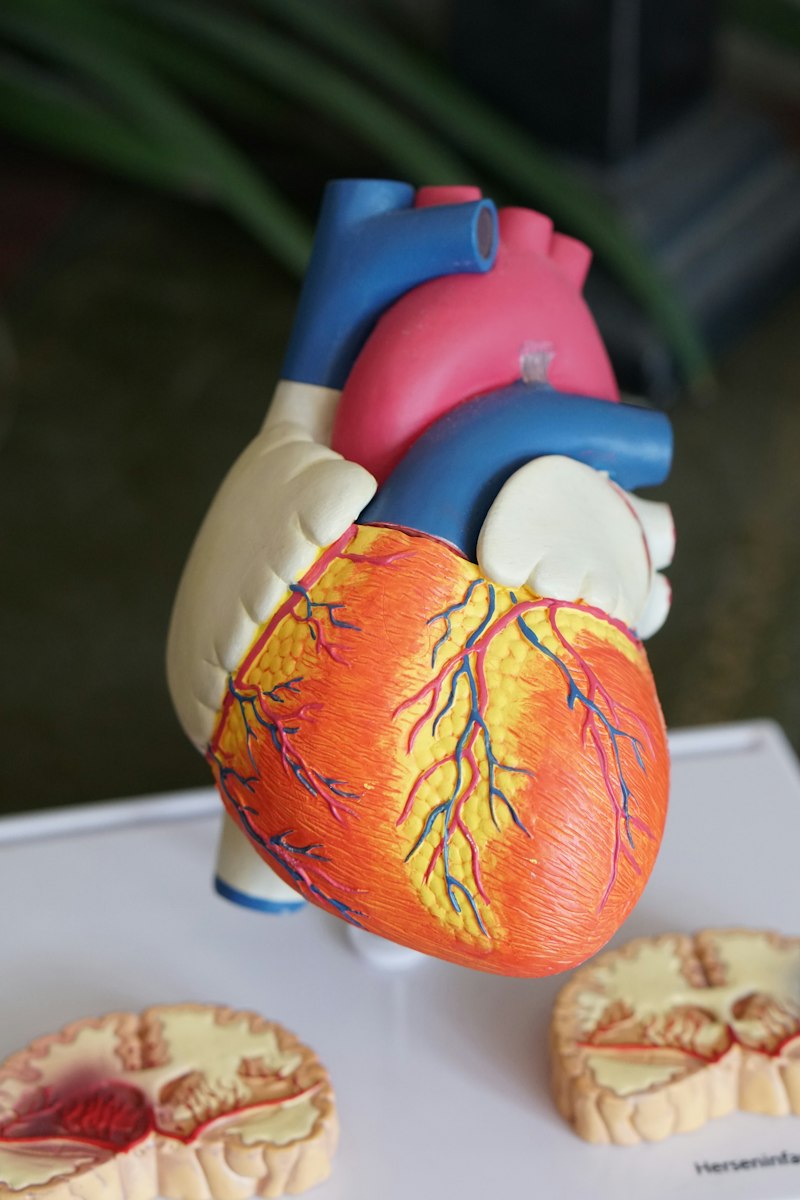
From EHR ingestion to SHAP, LIME, and attention visualisation — a fully transparent, multimodal clinical decision pipeline.
Explore →
Grounded in MIMIC-IV, PhysioNet, and peer-reviewed XAI literature. Designed for TGA alignment and Australian Privacy Act compliance.
Explore →
Meet the founder and follow the build plan — from open-source prototype to clinical pilot and beyond.
Explore →Clinical AI that explains itself in clear, structured reasoning reduces misdiagnosis risk — and builds trust across diverse patient populations and care settings.
See The Problem →
Clinical AI adoption remains critically low not because the models fail — but because clinicians won't act on outputs they can't interrogate. ClinAssist is building the explainability layer the industry is missing.
The global clinical decision support market is projected to reach $3.6B by 2028, with AI-powered tools driving the fastest growth segment across ICU and ED settings.
Built on MIMIC-IV (300,000+ ICU admissions), peer-reviewed XAI methodology, and designed for TGA regulatory alignment from day one — not retrofitted later.
Prototype → clinical validation study → open-source release → hospital pilot. A defined, milestone-driven roadmap with measurable outcomes at each stage.